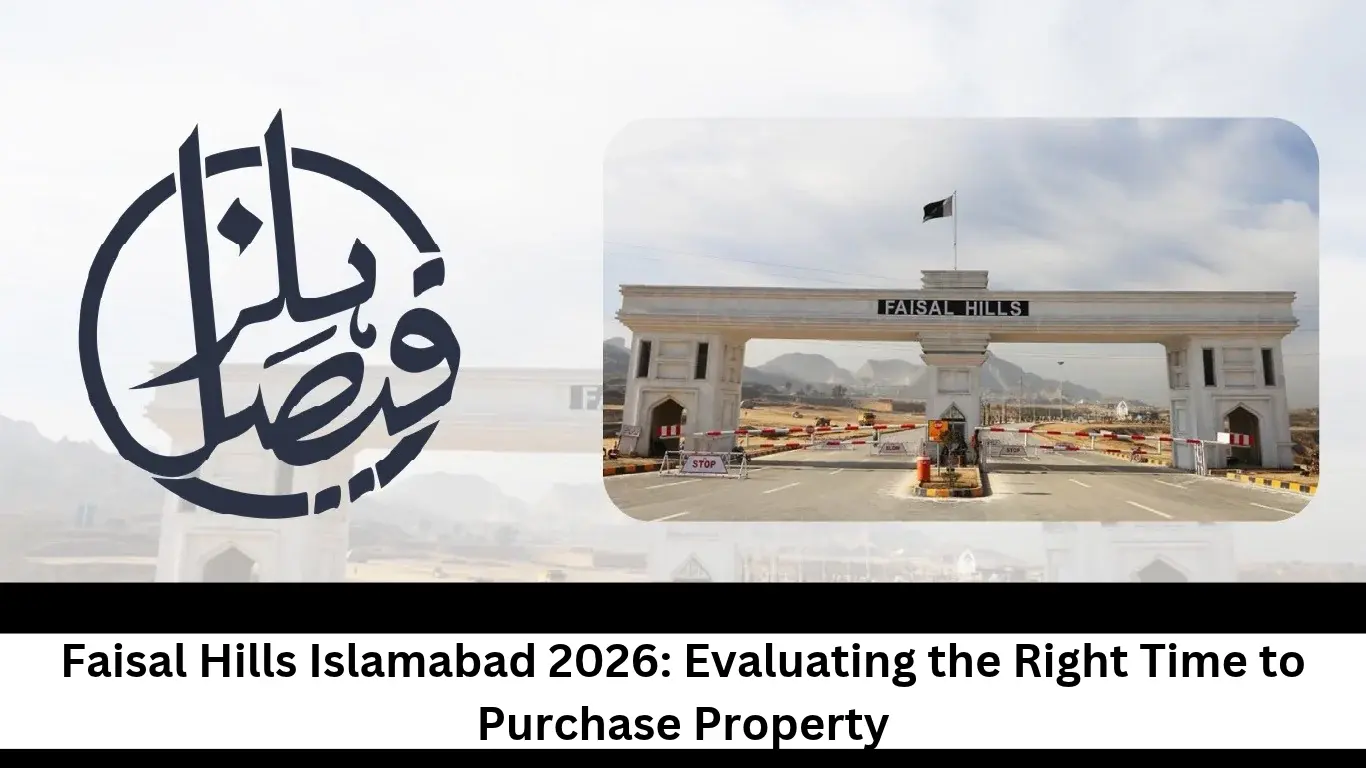
A buyer comparing two similar plots may find very different investment prospects, even within the same housing society. Faisal Hills Returns depend on the purchase price, block location, development status, approval records, resale demand and total ownership costs. This guide examines these factors to help buyers assess property opportunities in Faisal Hills during 2026.
Say you’re comparing two plots of the same size in Faisal Hills. The first costs less, and the dealer calls it a smart entry. The second is in a block that looks further along. Which one wins? Honestly, you can’t tell from the price tag alone.
That’s the trouble with Faisal Hills Returns. The advertised price tells you what a seller wants, but your actual result depends on other things. The block matters. So do the approval papers, the full payment schedule, and whether a real buyer shows up when you need to sell.
I’ll walk through each of those in turn: location, the regulatory record, the four blocks, and the maths of profit. I’ll also say when waiting looks smarter than buying, since plenty of guides skip that part.
Understanding the Project Before Making an Investment
Faisal Hills is a private housing scheme on the Grand Trunk Road near Taxila. Property portals name Zedem International as the developer, under the wider Faisal Town group. Those details come from market sources, so match them against the developer’s own paperwork before you trust them.
The name causes some confusion. Many people search for Faisal Hills Islamabad because the scheme sits close to the capital. Close isn’t the same as inside, though. Reports consistently place it under the Rawalpindi Development Authority (RDA), not the Capital Development Authority. That matters because the RDA holds the approval record and handles complaints.
You’ll also hear the project described by a crowd of voices. The developer, its marketing offices, independent dealers, and portal advertisers all use the same name. Only the developer’s own documents count as developer-stated. Everything else is dealer-quoted until you can prove it. For the developer’s version, see its about page and master plan page.
Location and Its Influence on Property Demand
Sources agree on the basics of Faisal Hills Location. It sits on the N-5 Grand Trunk Road near Taxila, close to the Margalla foothills. Zameen’s area guide says so, and so does ProPakistani’s project profile. ProPakistani rates road access as medium, which is a more modest claim than most ads make.
So what does that mean for demand? A road that connects you to Taxila, Wah Cantt, Rawalpindi, and Islamabad gives families real options for work and school. People who actually live somewhere keep demand steady. That steadiness can help when you resell.
A big society never feels the same on every street, though. A plot by the main road and a plot deep inside the scheme have different commutes and different noise. Portal copy also quotes drive times, like three minutes to B-17. I haven’t measured any of those. I couldn’t tell either whether they meant road distance or a straight line on a map.
Good access can raise interest in an area. It won’t deliver Faisal Hills Returns by itself, because approvals and resale conditions count just as much. Compare the developer’s location page with your own map check before you decide anything. However, Faisal Hills Returns also depend on the specific plot’s development and resale prospects.
Approval Status: What Buyers Must Verify Before Paying
If you only read one section, read this one. Regulatory status can change the whole picture.
What the Available Records Say
Several market sources say the RDA approved the project. A figure that shows up again and again is an NOC covering about 11,823.5 kanals. An Icons.com.pk list of RDA-approved schemes, updated in February 2026, shows Faisal Town (Revised and Extension) in Taxila at 11,823 kanals. The numbers line up. Still, Icons is a property portal, and the authority itself is the RDA, so check the RDA portal for the real record.
One conflict bothers me. A comparison article claims Faisal Hills covers more than 25,000 kanals, which is more than double the other figure. I couldn’t reconcile the two. Until someone shows me a document, I’m treating the bigger number as unverified.
The developer’s NOC page gives its own account, and that’s developer-stated. A July 2026 Tribune feature also calls the project RDA NOC-approved. It reads like promotional content to me, so I haven’t counted it as independent proof.
The 2025 RDA Reports
Most advertisements leave this next item out. In July 2025, ProPakistani reported that the RDA had filed First Information Reports against three projects, Faisal Hills in Taxila among them. The report says developers allegedly built beyond approved limits, advertised without permission, and ran illegal bookings and sales. APP also covered the FIRs.
Those are reported allegations. A court hasn’t decided anything that I could find, and I found no judgment, settlement, or withdrawal either. I also couldn’t tell which land or blocks the FIRs covered. That gap is important, because approval for one area doesn’t stretch to land outside it.
What Approval Does and Does Not Prove
People hear “NOC approved” and treat it like one big yes. It’s actually several separate questions packed together.
- Project approval means the authority allows the scheme to exist.
- Approved land area is the specific number of kanals that permission covers.
- The approved layout plan shows which blocks and plots fall inside that area.
- Plot identification asks whether your plot number appears on the layout.
- Ownership and possession tell you whether the seller can transfer the plot and whether you can use it.
Proving one of these doesn’t prove the next. For the record, I found no official document that tied Block B, Block C, Block D, or Prime Block to an approved layout. That reflects the limits of my search. It doesn’t show that approval is missing.
A Seven-Step Verification Sequence
- Find out which authority governs the land.
- Get the approval record straight from that authority.
- Match the approved boundaries to the layout you’ve been handed.
- Confirm the exact block and plot number.
- Check that the seller really owns the plot and can sell it.
- Ask for an up-to-date payment and dues statement.
- Confirm the transfer requirements with the society and the authority.
The developer’s verification guide makes a decent starting point. Still, double-check every answer with the RDA itself.
Comparing Block B, Block C, Block D and Prime Block
Most buyers go for whichever block has the lowest price. I understand the instinct, but it hides what actually separates the blocks. A fair comparison asks the same questions of each one: plot sizes, development, possession, roads, utilities, price evidence, payment terms, and resale history.
Here’s where I have to be straight with you. The public sources I found gave no verified, block-level data on prices, possession, or completed sales. ProPakistani’s older project profile mentions Blocks A, B, C, and an Executive block, and says Block A had sold out. It doesn’t mention Block D or Prime Block. So each section below tells you what to ask, not what the answers are.
Faisal Hills Block B: Development, Prices and Buyer Considerations
Begin with the ground itself. Does your street have finished roads, working utilities, and plots already handed over? Or would you be buying on a promise? The developer’s Block B page describes the plots. Measure that description against what you see in person.
Then look at similar plots in the same block. A corner plot, a plot on a wide boulevard, and one tucked on a narrow lane can sell for very different prices. Finally, ask someone who recently resold in Block B how long the transfer took and what it cost.
Faisal Hills Block C: Market Position and Purchase Considerations
Block C needs its own questions, so don’t borrow answers from Block B. It might be better or worse. Development stage, possession record, and dues can all differ.
Find out exactly where your plot sits in the block, then request a written dues statement. The developer’s Block C page is a fair place to start. Be wary of dealer comparisons that come with no date and no plot details, because they tell you very little.
Faisal Hills Block D: Development Conditions and Resale Factors
A newer or less settled block usually has fewer completed transfers behind it. In Block D, that means less price evidence, so buyers lean on asking prices. Asking prices make a shaky foundation for judging returns.
Check the approved layout for this block specifically. The RDA reports I mentioned concerned building past approved limits, so make the seller prove your plot sits inside the approved area. The developer’s Block D page shows how it markets the block.
Faisal Hills Prime Block: Price Comparison and Investment Considerations
“Prime” is a label. It isn’t a result. You pay more per marla, and you only benefit if the block gives you better access, finished development, and stronger resale demand. The developer’s Prime Block page and its feature post make the case for it.
Weigh that case against the extra money you’d put in. Line up Faisal Hills Prime Block plots against similar plots elsewhere, using dated listings and the same plot size. If the premium looks big, ask for a written explanation of what it buys.
Four-Block Comparison Table
| Comparison factor | Block B | Block C | Block D | Prime Block |
| Plot sizes | Not independently verified | Not independently verified | Not independently verified | Not independently verified |
| Development condition | Verify on site | Verify on site | Verify on site | Verify on site |
| Possession evidence | Not located | Not located | Not located | Not located |
| Road and utility condition | Verify on site | Verify on site | Verify on site | Verify on site |
| Asking-price evidence | Dated listings needed | Dated listings needed | Dated listings needed | Dated listings needed |
| Payment obligations | Request written statement | Request written statement | Request written statement | Request written statement |
Which row matters most depends on you. A short-term investor should care about resale evidence and how fast transfers happen. If you plan to build, possession and utilities come first. And if you’re paying in installments, the payment statement outranks everything else.
Faisal Hills Payment Plan 2026: Understanding the Complete Purchase Cost
The booking amount is the smallest part of your commitment, even though it’s the number everyone quotes. Behind it sit confirmation payments, scheduled installments, development charges, possession charges, transfer costs, and taxes. Add all of it before you decide whether you can afford the plot.
I couldn’t find a dated, developer-published schedule that I could verify, so I won’t reproduce one. The developer’s payment plan page and its post asking whether the Faisal Hills Payment Plan 2026 is worth buying show what it currently presents. Ask for the same schedule in writing, with a date on it. If a dealer’s numbers differ, keep them in a separate column. Understanding the complete payment commitment helps buyers estimate their potential Faisal Hills Returns more realistically.
Resale brings its own wrinkle. Suppose you sell with installments still due. Either the next buyer takes over those dues, or you clear them first. Transfer fees and discount conditions can also shrink what lands in your account.
Think about your own cash flow too. A monthly payment that feels light today might pinch if your income dips. Find out what happens after a missed payment, including late charges, cancellation, and refunds. If it isn’t in writing, assume it doesn’t exist.
What Factors Actually Determine Faisal Hills Returns?
Two people can buy in the same society and walk away with very different results. A dozen details usually explain the gap, and most advertisements skip them.
- Your entry price.
- What comparable plots were selling for at the time.
- Your choice of block.
- The exact position of your plot.
- Possession and development condition.
- Approval and documentation.
- Genuine buyer demand.
- How easily you can resell.
- Your payment obligations.
- How long you hold.
- Transaction expenses.
- The wider property market.
Entry price deserves its own comment. Overpay for a plot and you may earn less than a neighbour who bought a comparable plot at a fair price. The market doesn’t refund your enthusiasm.
Paperwork matters at resale too. Careful buyers and their lawyers ask for approval records early, so a clean paper trail makes a sale smoother. After the 2025 RDA reports, any doubt about approved limits can slow a deal down.
Liquidity sets the pace for everything else. A plot that sits unsold for years locks up your money. Each of these factors can lift Faisal Hills Returns or drag them down, and no advertisement can tell you which way they’ll go. The developer’s investment post makes the optimistic case. Read it as developer-stated and test every claim.
How to Calculate Actual Profit and ROI on a Faisal Hills Plot
A few definitions first. Your total acquisition cost is the purchase price plus charges, taxes, and documented transaction expenses. Gross appreciation is the rise in value before you subtract anything. Net profit is what you keep after every cost. ROI shows that profit as a percentage of the money you put in.
The formulas are short.
Net Profit = Actual Sale Proceeds minus Total Acquisition Cost minus Selling Expenses
ROI (%) = (Net Profit ÷ Total Investment) × 100
A Hypothetical Example
I made these numbers up to show the method. They are not Faisal Hills prices or real transactions.
| Financial component | Hypothetical amount |
| Purchase cost | PKR 5,000,000 |
| Additional acquisition costs | PKR 200,000 |
| Total investment | PKR 5,200,000 |
| Sale proceeds | PKR 6,000,000 |
| Selling expenses | PKR 100,000 |
| Net profit | PKR 700,000 |
| ROI | Approximately 13.46% |
Look at what happened there. The plot sold for PKR 1,000,000 more than its purchase cost, which sounds great. After the extra acquisition costs and selling expenses, you keep PKR 700,000. That’s the number that reaches your pocket, and it’s a total, not a yearly return.
Time changes how that profit feels. PKR 700,000 earned in six months is a strong result, while the same amount over four years is far less impressive. An annualised figure spreads the gain over the holding period so you can compare it with other uses of your money. Your capital also stays locked in the plot during that time, which has a cost of its own.
If you pay in installments, go one step further. Record each payment on the day you actually made it. Treating everything as one lump sum on day one makes the ROI look better than it deserves.
Is 2026 the Right Time to Purchase Property in Faisal Hills?
It depends on who you are and what evidence you hold for your own plot.
Short-Term Investors
A short-term plan lives or dies on resale. You’d need proof that buyers really pay close to asking prices, and a dealer’s estimate doesn’t count. Selling costs and haggling take a bite out of any gain.
Quick flips work when demand is strong and documents are clean. I found no verified sale data for these blocks, so a short-term plan today rests more on hope than on evidence. Treat expected appreciation as a maybe, never as income you can count on.
Long-Term Buyers
Patience helps here, since you can sit through slow periods. Even so, check development, possession, and documents before you pay. A plot you can’t build on does little for a family, so usability counts as much as price growth.
Holding costs add up over the years too. Installments, maintenance charges, and tied-up capital all take their share. The developer’s page on possession status for 2026 states its position. Ask for written proof that applies to your own plot.
Installment-Based Buyers
You carry the longest commitment, so work out the whole schedule, not just the monthly amount. Ask about late-payment penalties. Ask what happens to dues if you resell.
If your income feels uncertain, a smaller plot on a lighter schedule may suit you better than a stretched budget. The right moment depends on your finances and on the evidence behind your specific plot. When that evidence is thin, waiting is a sensible choice. You haven’t missed anything.
Risks That Can Affect Property Investment in Faisal Hills
Some risks come with any housing scheme. Others come straight from the research above. I’ll keep the two apart so you can see the difference.
What the research raised. The July 2025 RDA reports allege building beyond approved limits, unauthorised advertising, and illegal bookings. They’re allegations, and I found no later outcome. The land-area figures also clash, from about 11,823 kanals to more than 25,000, so boundary checks matter a lot.
General market risks. Asking prices don’t equal sale prices, and dealer estimates tend to run optimistic. Development can lag behind brochures. Each block behaves differently, so one block’s story doesn’t transfer to another.
Money risks. Surprise charges, installment pressure, and slow sales can all eat into your return. While your capital sits in the plot, it earns nothing elsewhere. These costs can reduce Faisal Hills Returns even when the property’s advertised price increases.
A possible risk isn’t a confirmed problem. A delay that might happen hasn’t happened. The goal is to know what to check, not to assume the worst.
Three Market Scenarios
None of these is a prediction. They’re simply ways things could go.
Positive scenario. Demand picks up, access improves, and you can see development progress with your own eyes. Clearer paperwork lifts buyer confidence, and resales become more frequent. That could support demand, but it can’t promise a higher price.
Stable scenario. Prices barely move, demand stays moderate, and plots take longer to sell. Your installments keep falling due while completed sales stay rare. A plot can earn you nothing even when its asking price never drops.
Adverse scenario. Demand weakens, development drags, and buyers push prices below what sellers ask. Documentation questions create friction, and holding periods stretch out. Selling then takes longer and may cost more than you planned.
A Practical Buyer Checklist Before Booking a Faisal Hills Plot
Go through this list before you pay anything. The developer’s plots page and contact page can help you request documents in writing.
- Confirm who the seller is and that they own the plot.
- Check the block and plot number.
- Review the approved layout for that plot.
- Look up the NOC or approval record with the RDA.
- Get possession status in writing.
- Visit the plot and walk the access road.
- Compare similar plots in the same block.
- Request a full payment statement.
- Ask about outstanding dues.
- Confirm transfer conditions and charges.
- Work out your total acquisition cost.
- Gauge realistic resale demand.
- Keep a copy of every written promise and every receipt.
Final Verdict: Should You Buy Property in Faisal Hills in 2026?
Faisal Hills Islamabad attracts attention for understandable reasons. It sits on a busy road corridor, market sources describe an RDA approval, and the developer promotes it hard. None of that settles the question, though.
Several other facts weigh just as much. The 2025 RDA reports allege activity beyond approved limits. Land-area figures conflict. I found no verified block-level prices, possession data, or completed sales. And a high asking price isn’t a sale, while a paper gain isn’t cash in hand.
So Faisal Hills Returns stay uncertain until you can answer five questions about your exact plot. Does it sit inside an approved layout? What’s the full payment commitment? Is the block developed enough to use? Does real resale demand exist? And what profit is left after every cost?
If documents back up all five answers, buying could be a reasonable move. If they don’t, waiting protects your money. Check the plot, the paperwork, and the total cost before you commit a single rupee.
Frequently Asked Questions About Faisal Hills Returns
1. Is Faisal Hills a good property investment in 2026?
It depends on the plot, the documents, and your finances. Market sources describe an RDA approval, yet 2025 reports mention RDA FIRs over building beyond approved limits. Verify your exact plot first, then judge the investment.
2. How can buyers calculate Faisal Hills Returns?
Take your sale proceeds and subtract total acquisition cost and selling expenses to get net profit. Divide that by your total investment and multiply by 100. Count every installment, and factor in how long you held the plot.
3. What factors influence property prices in Faisal Hills?
Block, plot position, possession, paperwork, development, and buyer demand all play a part. Payment terms and the wider market matter as well. Asking prices alone don’t show what buyers actually pay.
4. What should buyers verify in the Faisal Hills NOC?
Check which authority issued it, how much land it covers, and what layout it approves. Then match your block and plot number to that layout. A project-level NOC doesn’t automatically cover every plot.
5. What should buyers check before purchasing in Faisal Hills Block B?
Confirm possession, road and utility condition, and where the plot sits in the block. Compare dated listings for similar plots. Get a written dues statement and the transfer conditions before you pay.
6. How should buyers compare Faisal Hills Block C with other blocks?
Ask the same questions of every block: plot size, development, possession, price evidence, and payment terms. Don’t assume Block C behaves like another block. Request documents specific to it.